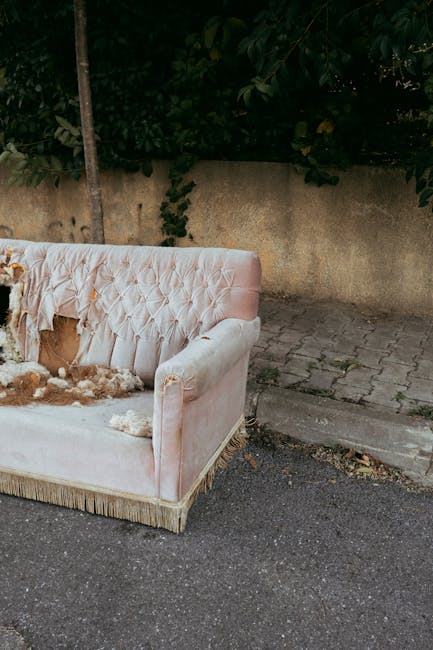
Bulky rubbish removal and upholstery cleaning in Marylebone: a practical local guide
If your flat, townhouse, or managed property in Marylebone is starting to feel crowded, you are not alone. Bulky rubbish has a way of building up quietly: an old armchair in the hallway, a broken coffee table in the spare room, bags of household clutter waiting for "next weekend." At the same time, upholstery can pick up everyday wear much faster than people expect. Spills, dust, pet hair, and those faint marks that seem to appear out of nowhere all add up.
This guide to Bulky rubbish removal and upholstery cleaning in Marylebone brings both sides of the job together. That matters because the most efficient way to refresh a property is often to clear what no longer belongs there, then clean what is worth keeping. Simple idea, really. But it saves time, reduces stress, and usually gives a much better result than tackling each task in isolation.
Below, you'll find a clear breakdown of how the process works, who it helps, what to avoid, and how to make sensible decisions for your home or business. If you are also looking into wider home care, you may find the service pages for sofa cleaning, rug cleaning, curtain cleaning, and mattress cleaning useful as part of a full reset.
Table of Contents
- Why Bulky rubbish removal and upholstery cleaning in Marylebone Matters
- How Bulky rubbish removal and upholstery cleaning in Marylebone Works
- Key Benefits and Practical Advantages
- Who This Is For and When It Makes Sense
- Step-by-Step Guidance
- Expert Tips for Better Results
- Common Mistakes to Avoid
- Tools, Resources and Recommendations
- Law, Compliance, Standards, or Best Practice
- Options, Methods, or Comparison Table
- Case Study or Real-World Example
- Practical Checklist
- Conclusion
- Frequently Asked Questions
Why Bulky rubbish removal and upholstery cleaning in Marylebone Matters
Marylebone homes and commercial spaces often come with their own quirks: compact storage, limited lift space, shared entrances, and busy streets where timing matters. A bulky item left in the wrong place can turn a tidy property into a bottleneck overnight. A tired sofa or stained dining chairs can do the same to a room's feel. They affect how a place looks, how it smells, and even how easy it is to keep clean day to day.
That is why these two services fit together so well. Bulky waste removal clears space, which makes furniture cleaning easier. Upholstery cleaning removes grime, odours, and embedded debris from the items you are keeping, which improves the overall standard of the property. In a nutshell: less clutter, less drag, more breathing room.
There is also a practical side. If you are preparing a rental property, managing a busy household, or trying to bring a room back after a long season of use, combining removal and cleaning helps you get there faster. The room feels lighter. You notice it straight away. And yes, that first five minutes after the work is done can feel oddly satisfying.
For anyone researching the local area and lifestyle context, the site's blog has some helpful reading, including Marylebone living and local residents' insights and an overview of Marylebone's charm. That local character matters because properties here often need services that are careful, discreet, and organised around real London conditions.
Practical takeaway: If a room has both unused bulky items and upholstered furniture worth saving, deal with the removal first, then clean what remains. The sequence matters more than people think.
How Bulky rubbish removal and upholstery cleaning in Marylebone Works
In practice, the process starts with a quick assessment. What needs removing? What should stay? What upholstery items need professional attention? That first split saves mistakes later, especially in properties where space is tight and access is awkward. A narrow stairwell in a period building, for example, changes the whole plan.
Bulky rubbish removal usually covers items that are too large, awkward, or impractical for ordinary household disposal. Think old furniture, broken storage units, mattresses, damaged office chairs, or mixed household clutter. The key point is not just size; it is how safely and efficiently the item can be moved out of the property.
Upholstery cleaning focuses on fabric-covered furniture such as sofas, armchairs, dining chairs, footstools, and sometimes fabric headboards. The cleaning method depends on material, condition, and the type of mark or odour present. A light refresh on a synthetic sofa is not the same as treating delicate natural fibres, and a careful provider should treat it that way.
A sensible workflow often looks like this:
- Identify items for removal and items for cleaning.
- Check access, parking, lift use, and any building rules.
- Pre-treat obvious stains or high-traffic areas on upholstery.
- Remove bulky waste and clear the working space.
- Deep clean the furniture that stays.
- Allow proper drying time and final inspection.
That sequence sounds basic, but it avoids a lot of hassle. There is nothing worse than deep-cleaning a sofa and then dragging dusty clutter past it. Been there, done that, not ideal.
If you want a broader look at how related services fit together, the services overview page is a useful starting point, and the upholstery cleaning in London page gives a sense of how fabric care is handled across different property types.
Key Benefits and Practical Advantages
The obvious benefit is a cleaner space. But honestly, there are several layers to it, and the best results come from understanding all of them.
- More usable space: removing one damaged sofa or old cabinet can transform a room.
- Better hygiene: upholstery can trap dust, crumbs, pet dander, and everyday grime.
- Improved appearance: clean furniture and clear floors make the whole property feel more cared for.
- Odour reduction: stale smells often sit in fabric and old items longer than people realise.
- Less stress: a clear plan is easier than trying to patch the job together in bits.
- Better tenant or guest impression: especially important in rental, hospitality, or office settings.
There is also the comfort factor. A deep-cleaned armchair with the clutter removed around it can make a living room feel calmer straight away. Not glamorous, maybe, but very real. And in Marylebone, where many properties are valuable on space and presentation, those small gains matter.
If you are comparing related support for a wider property refresh, you might also find the end of tenancy cleaning in London and domestic cleaning in London pages useful. They sit neatly alongside furniture cleaning when a place needs a more complete reset.
Who This Is For and When It Makes Sense
This kind of service is not just for people moving out. Far from it. In our experience, the need shows up in all sorts of everyday situations.
Homeowners and renters may need it after replacing furniture, reorganising a room, or dealing with a build-up of clutter and stains. A lot of people notice the problem only when friends are coming over or when the room starts feeling smaller than it should. Funny how that happens.
Landlords and letting agents often need bulky item removal and upholstery cleaning between tenancies. A property can look tidy at first glance but still carry old odours or tired furniture that quietly drags down the presentation.
Office managers may need it when meeting-room seating, reception furniture, or storage items have reached the end of their useful life. A clutter-free workplace does more than look neat; it helps people feel the place is under control.
People preparing for events or guests also benefit. If you are hosting in Marylebone - maybe a birthday, a family weekend, or a dinner that has a way of becoming larger than intended - the difference between "fine" and "properly ready" is often a clear room and a fresh sofa. The site's best spots for parties in Marylebone article speaks to the local social side of the area too.
Practical sign it makes sense: if you are working around furniture rather than using it, or cleaning around clutter rather than cleaning properly, the job is due. Simple as that.
Step-by-Step Guidance
Here is a straightforward way to approach the job without overcomplicating it.
1. Sort the room properly
Start by dividing items into three groups: remove, clean, and keep for now. Do not guess. Walk the room slowly and look at each piece with fresh eyes. The broken chair in the corner? Probably remove. The sofa that's structurally fine but looks dull and has a few marks? Clean.
2. Check access before anything moves
Marylebone properties can be lovely and awkward at the same time. Narrow hallways, shared entrances, basement flats, controlled parking, or awkward stair turns can all change the plan. Measure large items if needed. If a bulky item will not fit safely, that needs to be known upfront.
3. Decide whether upholstery needs pre-treatment
Light staining, dried drink marks, pet areas, and food residue often need targeted attention before the main clean. This is where experience helps. Different fabrics behave differently, and using the wrong approach can leave marks or uneven results.
4. Remove bulky rubbish first
Clearing old items from the space lets the cleaning happen properly. It also protects the upholstery from accidental re-soiling while items are being carried out. It's one of those small choices that saves a bigger headache later.
5. Clean the upholstery carefully
A good clean should match the fabric type, condition, and usage pattern. There is no magic one-size-fits-all method. Some upholstery needs a gentle low-moisture approach; some can handle a deeper treatment. The important thing is controlled cleaning, not over-wetting or rushing.
6. Allow time to dry and settle
Drying matters. People sometimes forget this part and then wonder why the sofa feels damp or the room smells a little "closed in" for a few hours. Open windows where appropriate, keep traffic low, and give the fabric the time it needs.
7. Inspect the result with a practical eye
Check the corners, armrests, seams, and the back of items that usually get missed. These are the places where dust and wear tend to hide. If the room feels cleaner but something still looks off, that's usually where to look first.
Expert Tips for Better Results
To get the best value from this kind of service, think about the whole room, not just the obvious item in front of you.
- Combine tasks in one visit where possible. It usually makes more sense to clear bulky items and clean furniture at the same time than to split them into separate jobs.
- Tell the service provider about fabric types. Velvet, wool blends, linen-look fabrics, and synthetic upholstery may need different handling.
- Be honest about stains. A fresh coffee mark is a different challenge from an old, heat-set stain. The more accurate the information, the better the approach.
- Move delicate items out of the way first. Lamps, framed art, and small ornaments are easy to overlook when you are focusing on the big stuff.
- Plan around drying time. If you need the room for guests later that evening, say so early. Timing matters.
- Take a few "before" photos for yourself. Not for glamour. Just so you can see what improved and remember where the work started from.
One small but useful habit: check the underside and rear of furniture before and after cleaning. You would be surprised how often crumbs, dust, and small debris are hiding where nobody bothers to look. The back of a sofa is not exactly a famous dust-free zone, is it?
If fabric care is your main concern, the pages for curtain cleaning and mattress cleaning can help you think through a broader soft-furnishings clean in one go.
Common Mistakes to Avoid
A lot of avoidable issues come from rushing, not from the cleaning itself.
- Leaving bulky items until the last minute: this creates bottlenecks, especially in flats with limited access.
- Assuming all upholstery can be cleaned the same way: fabric types and construction matter.
- Cleaning before removing clutter: moving waste after cleaning often reintroduces dust and marks.
- Using too much water or product: more is not better here. It can leave residue or slow drying.
- Ignoring odour sources: if the smell is coming from the fabric or what sits under it, surface cleaning alone may not solve it.
- Forgetting building rules or access arrangements: this is a classic London problem. One missed detail can delay the whole job.
The biggest mistake? Treating the room and the furniture as separate problems. They are linked. A clean sofa in a cluttered room still looks tired. A clear room with dirty seating still feels unfinished. The fix is joined-up thinking. A bit boring to say, but true.
Tools, Resources and Recommendations
You do not need a van full of equipment to make a good decision, but a few simple tools and resources help a lot.
Useful items to have on hand:
- Measuring tape for access and item sizing
- Basic labels or notes for "remove," "clean," and "keep"
- Dust sheets or protective covers for nearby surfaces
- Gloves for light sorting before collection
- A phone camera for quick reference photos
Useful supporting pages:
- pricing and quotes for understanding how to request a clear estimate
- insurance and safety for reassurance about working practices
- health and safety policy for a sense of the approach to safe working
- about us if you want to learn more about the company background and style of service
- gallery to see the sort of results presented across the site
If you are browsing for local context or maintenance ideas, the blog also includes useful Marylebone-focused articles, including carpet care tips for Marylebone High Street flats. That one is especially handy if your soft furnishings and carpets need attention at the same time.
Law, Compliance, Standards, or Best Practice
Without turning this into a legal lecture, there are a few sensible expectations to keep in mind.
For bulky rubbish, the important point is responsible disposal. That means waste should be handled in a way that avoids fly-tipping, unsafe handling, or leaving material in shared areas. In London, access and timing can be as important as the removal itself, especially if you are in a managed block or on a busy street.
For upholstery cleaning, the key best practice is fabric-safe treatment. A trustworthy provider should assess the item first, use suitable methods for the material, and avoid promising one universal treatment for every stain. If something is delicate, old, colour-sensitive, or water-reactive, it should be treated carefully. Truth be told, caution is a sign of competence here, not hesitation.
If you are arranging work in a rental property, office, or shared building, it also helps to keep internal rules in mind: booking windows, lift protection, entry instructions, and any notice required for access. These may sound like small things, but they prevent the sort of chaos nobody enjoys at 8:30 on a weekday morning.
For peace of mind, it is sensible to check service terms and the company's approach to payment and data handling too. The pages on payment and security, privacy policy, and terms and conditions exist for exactly that reason.
Options, Methods, or Comparison Table
Not every situation needs the same approach. Sometimes the right move is a full combined service. Other times, a lighter clean or a partial removal is enough.
| Option | Best for | Main advantage | Possible drawback |
|---|---|---|---|
| Bulky rubbish removal only | Broken, unwanted, or unsafe items | Quickly clears space | Does not improve fabric condition |
| Upholstery cleaning only | Furniture still in good shape but dirty or dull | Refreshes the room without replacement | Does not remove unwanted large items |
| Combined removal and cleaning | Rooms needing a full reset | Most efficient and coordinated | Needs better planning upfront |
| General house clean with upholstery add-ons | Occupied homes or furnished rentals | Broad refresh across surfaces | May not address large waste items alone |
As a rule, combined work makes sense when the room is being re-used immediately, prepared for sale or letting, or simply restored after months of neglect. If the furniture is valuable and the clutter is the main problem, cleaning plus removal can be a very neat solution. If the item itself is beyond saving, replacement may be the more honest answer.
Case Study or Real-World Example
A common Marylebone scenario goes like this. A two-bedroom flat has a bulky old armchair, a damaged side table, and a sofa that is structurally fine but looks tired from daily use. The hallway is narrow, the lift is small, and the living room has become awkward to use because the furniture is crowding the space.
The sensible approach is to remove the damaged items first, then deep clean the sofa and any matching chairs. Once the bulky pieces are gone, the room opens up visually. The sofa now has room to breathe, so to speak, and the cleaning can be done without constantly working around clutter. The final result is often better than expected because the room itself starts to work again. Light moves differently. The floor is visible. The place feels calmer.
That sort of outcome is especially useful in Marylebone, where properties tend to benefit from careful presentation. Even a modest-sized room can feel premium if the layout is clear and the upholstery looks well maintained.
If the same flat also needs broader upkeep, this is where a wider plan can help. A quick look at house cleaning in London or office cleaning in London can help you understand how the job fits into a larger property care schedule.
Practical Checklist
Use this before you book or begin:
- List the bulky items that need to go
- Identify the upholstered furniture that should stay
- Check access routes, stairs, and lift size
- Note any parking or timing restrictions
- Photograph stains or damage if needed
- Confirm fabric types if you know them
- Move valuables and small breakables out of the way
- Decide whether the room needs a combined service
- Ask about drying time and aftercare
- Review pricing, payment, and service terms before booking
Quick expert summary: clear the clutter first, clean the furniture second, and plan for access before you plan for appearance. That order keeps the whole job smoother and tends to save both time and frustration.
Conclusion
Bulky rubbish removal and upholstery cleaning in Marylebone work best when they are treated as part of the same property-care plan. One clears the space; the other restores the furniture you rely on every day. Together, they help a home, rental, or workspace feel lighter, cleaner, and more usable.
Whether you are preparing for guests, refreshing a lived-in flat, or sorting out a property between tenants, the smartest move is usually the same: assess the room carefully, remove what no longer serves it, and clean what is still worth keeping. It is practical, efficient, and frankly a lot less stressful than trying to patch the room together in stages.
Get a free quote today and see how much you can save.
And if you are still deciding, that's fine too. A well-planned clean has a way of making the next step obvious once you see the space properly again.
Frequently Asked Questions
What counts as bulky rubbish in a Marylebone property?
Bulky rubbish usually means large or awkward items such as old sofas, armchairs, mattresses, shelving, broken furniture, or mixed clutter that is difficult to dispose of through normal household waste methods. The practical test is simple: if it is too large, heavy, or inconvenient to move safely in the usual way, it likely counts as bulky waste.
Can upholstery be cleaned after bulky items are removed?
Yes, and in many cases that is the best order. Removing bulky waste first gives the cleaner better access and helps prevent dust or debris from settling back onto the fabric. It also makes the room easier to work in, which usually improves the final result.
Is it worth cleaning an old sofa instead of replacing it?
Sometimes, yes. If the frame and cushions are still sound, upholstery cleaning can make a big difference to appearance, odour, and general freshness. If the item is structurally damaged, sagging badly, or badly worn, replacement may be the more sensible choice.
How long does upholstery cleaning usually take?
It depends on the size of the furniture, the fabric, and the level of soiling. A small job may be quite quick, while a larger sofa or multiple pieces will naturally take longer. Drying time is part of the process too, so it is wise to plan ahead.
Do I need to prepare the room before the appointment?
A little preparation helps a lot. Move small items away from the furniture, clear access routes, and point out any bulky pieces that are due for removal. If you know about access restrictions, parking issues, or stairs, mention them early. That saves hassle on the day.
Will upholstery cleaning remove every stain?
Not always. Some marks are fresh and respond well; others are old, set in, or caused by substances that bond with the fabric. A careful cleaner can usually improve the appearance a great deal, but no one should promise miracles. That would be a bit too neat, wouldn't it?
Is bulky rubbish removal suitable for rental properties?
Yes. It is often used between tenancies, after tenant move-outs, or when a landlord needs to clear damaged or unwanted items quickly. It pairs well with furniture cleaning because the property can be reset more efficiently for the next occupant.
What types of upholstery can usually be cleaned?
Common items include sofas, chairs, footstools, and some headboards. The exact method depends on the fabric and condition of the item, so a proper assessment matters. Delicate, colour-sensitive, or moisture-reactive materials need special care.
How do I know whether I need removal, cleaning, or both?
If the item is broken or unwanted, removal makes sense. If it is still useful but looks tired or dirty, cleaning is the better option. If the room has both clutter and upholstery issues, a combined approach usually gives the best value and the tidiest result.
Can these services help a room feel less cramped?
Very much so. Removing one or two large items can open up a room immediately, and cleaner upholstery makes the rest of the space feel fresher. In smaller Marylebone homes, that difference can be surprisingly noticeable. One clear room can change the whole feel of a flat.
What should I ask before booking?
Ask what is included, how access is handled, whether there are any preparation requirements, what the drying time is likely to be, and how pricing is structured. It is also sensible to ask about insurance, safety practices, and any terms that affect your booking. Clear questions at the start usually lead to a smoother job.
Are there other cleaning services worth combining with this?
Yes. Depending on your property, it can make sense to combine upholstery care with carpet, curtain, mattress, or general domestic cleaning. That gives a more complete refresh and avoids leaving one part of the room looking tired while another part looks newly cleaned.