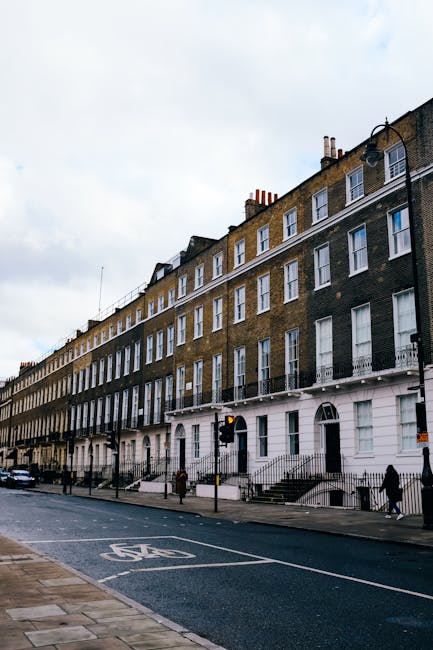
Cleaning guide for Baker Street flats by Madame Tussauds
If you live in a Baker Street flat near Madame Tussauds, you already know the setup: busy pavements, visitors all day, shared entrances that never seem to stay spotless for long, and London dust that appears out of nowhere. A sensible cleaning guide for Baker Street flats by Madame Tussauds should do more than tell you to wipe surfaces and vacuum the floor. It should help you deal with the reality of compact rooms, mixed building ages, high foot traffic, and the sort of everyday mess that builds quietly until one Saturday morning you suddenly think, right, enough is enough.
This guide is written for people who want a cleaner flat without wasting time, using the wrong products, or creating extra work for themselves. You'll find a practical room-by-room approach, common mistakes, compliance notes, and a few local-life insights for this corner of Marylebone. If you also enjoy making your home feel welcoming, you might like browsing a trusted Marylebone florist for something fresh once the cleaning is done; honestly, a small vase can change the mood of a room faster than you'd think.
And if you want broader local support, it helps to understand the area around you too. For example, many residents combine a tidy-home routine with services such as spring cleaning in Marylebone or specialist care like sofa cleaning when fabrics start looking tired. Small steps, but they add up.
Table of Contents
- Why this guide matters in Baker Street
- How the cleaning approach works
- Key benefits and practical advantages
- Who this is for and when it makes sense
- Step-by-step guidance
- Expert tips for better results
- Common mistakes to avoid
- Tools, resources and recommendations
- Law, compliance, standards and best practice
- Options, methods and comparison table
- Case study or real-world example
- Practical checklist
- Conclusion
- Frequently asked questions
Why Cleaning guide for Baker Street flats by Madame Tussauds Matters
Flats near Madame Tussauds sit in one of those London pockets where the street feels lively from morning to late evening. That's great for convenience, but not always kind to interiors. Dust gets tracked in more often. Windows show smudges faster. Hallways pick up scuffs. If your building has older finishes, high ceilings, sash windows, or a narrow kitchenette squeezed into an already small footprint, you'll notice grime in places that are easy to ignore at first.
The point of a structured cleaning routine is not perfection. It is control. You want to stay ahead of the build-up so that your flat feels calm, breathable, and usable. That matters even more in a compact Baker Street apartment because clutter and dirt can make a room feel smaller than it is. A clean flat is also easier to rent, easier to sell, and simply nicer to come home to after a long commute or a rainy Central London afternoon. Basic, yes. But true.
There's also a visitor factor. Baker Street tends to attract guests, short-stay occupants, and people passing through for work, events, or theatre nights. If you entertain at home, even informally, the difference between "lived-in" and "not quite clean enough" is obvious the moment someone steps inside. People notice the bathroom mirror, the skirting boards, the kitchen sink, and that odd smell from a bin you meant to empty yesterday.
For residents and landlords alike, keeping on top of cleaning can also reduce avoidable wear. Grit on floors scratches wood. Damp in bathrooms spreads quickly if ventilation is poor. And in period conversions, dust around old radiators or window frames can become a nuisance before you realise it. If you need a broader service reference point, deep cleaning in Marylebone is useful when standard weekly cleaning is no longer enough.
How Cleaning guide for Baker Street flats by Madame Tussauds Works
A good flat-cleaning guide works by separating the job into zones, priorities, and timings. That sounds obvious, but many people clean in the wrong order and end up moving dirt around instead of removing it. The better approach is simple: start high, move low, and finish with touch points.
In practice, that means dusting shelves, light fittings, and tops of cabinets before vacuuming or mopping floors. It means cleaning the bathroom and kitchen with enough dwell time for products to work, rather than wiping them off too quickly. And it means treating "visible" dirt and "hidden" dirt differently. The visible stuff is the crumb on the counter. The hidden stuff is the film of grease above the hob, the dust behind the bed, or the gunk inside the washing machine drawer.
For Baker Street flats, the layout often decides the method. A studio needs a fast, disciplined sequence. A one-bedroom with a separate kitchen may need a more room-by-room rhythm. Period blocks may require extra attention to ventilation and delicate finishes. New-build apartments often need less elbow grease in the structure, but more effort on glass, stainless steel, and dust that clings to modern surfaces. Funny how that works, isn't it?
Think of the process as four layers:
- Resetting - clearing clutter, collecting laundry, and removing rubbish.
- Surface cleaning - wiping, dusting, sanitising touch points, and cleaning the sink or hob.
- Detail cleaning - tackling skirting boards, handles, taps, plugs, and edges.
- Finish and freshen - floors, ventilation, bins, and final checks.
That order matters because it saves time and stops you re-cleaning the same area twice. If you are dealing with upholstery or stubborn fabric marks as part of the bigger picture, it may be worth looking at curtain cleaning or upholstery cleaning in London. Sometimes a room looks "dirty" because the soft furnishings need attention, not the hard surfaces.
Key Benefits and Practical Advantages
The obvious benefit is a cleaner home. The less obvious benefit is that cleaning well gives you time back later. A flat that gets regular attention does not spiral into a huge Saturday project every month. That alone is worth a lot in a place like Baker Street, where people tend to have busy routines and not much patience for avoidable chores.
Here are the main advantages people usually care about:
- Better indoor air quality - less dust, fewer lingering odours, and reduced build-up on soft surfaces.
- More space to live in - clean surfaces make a compact flat feel less crowded.
- Lower stress - a tidy home is easier to relax in after a long day.
- Better presentation - useful if you host guests, rent the flat, or expect inspections.
- Reduced wear and tear - regular care helps protect floors, fabrics, and fixtures.
There's also a very practical financial angle. Regular maintenance can help you avoid the kind of damage that comes from letting small issues sit too long. A bit of soap residue in the bathroom becomes a stubborn stain. A kitchen spill becomes a sticky patch. Dust on a radiator becomes a build-up that takes more effort to remove later. To be fair, nobody enjoys discovering that the "quick clean" was not quick at all.
If you are buying gifts for a newly cleaned flat, or simply want the place to feel more welcoming after a refresh, you can also explore flower delivery in Marylebone W1 or even flower care tips so your arrangement lasts beyond the first day. Clean room, fresh flowers, end of story - almost.
Who This Is For and When It Makes Sense
This guide is useful for a few very different people, and the needs are not exactly the same.
Flat owners
If you own a Baker Street flat, you may be balancing your own use with long-term upkeep. Regular cleaning protects the condition of the property and keeps your investment feeling well cared for.
Tenants
If you rent, the goal is usually to stay comfortable, avoid disputes, and keep the flat presentable. That might mean weekly upkeep, a pre-inspection clean, or a proper end-of-tenancy reset if you are moving on.
Landlords and letting agents
For landlords, cleaning is partly about presentation and partly about standards. A properly maintained property tends to look better in listings, photographs, and viewings. If you need support with professional property upkeep, house cleaning in Marylebone and end of tenancy cleaning in Marylebone are both relevant starting points.
Short-stay hosts
Short-stay accommodation near Baker Street is all about turnover. The cleaning pace is faster, the expectations are higher, and the margin for error is tiny. That means reliable routines, duplicate supplies, and a sharp eye for bathrooms, kitchens, and bedding.
Busy professionals
If you work long hours or travel often, you probably do not need a massive cleaning project. You need a practical system that keeps the flat under control between deeper resets. Sometimes that is just 15 minutes in the evening and one longer session at the weekend. Not glamorous. Very effective.
It also makes sense whenever the season changes. Winter brings muddy boots, condensation, and more time indoors. Spring brings light, dust, and the urge to start fresh. Before family visits or a dinner at home, a quick reset can make a surprisingly large difference. And yes, a little bouquet on the table helps too - if you ever want to send flowers in Marylebone, the right arrangement can lift a room after cleaning in a way a scented spray never quite manages.
Step-by-Step Guidance
Here is a straightforward routine that works well for most Baker Street flats. Adapt it to your layout, of course, but keep the sequence.
1. Open windows and reset the room
Fresh air changes the whole job. Open windows where possible, put laundry in one place, collect dishes, and clear obvious clutter first. Cleaning around objects is slower and less effective. Also, it is mildly annoying. Better to tidy first.
2. Start in the kitchen
The kitchen usually needs the most attention because grease, crumbs, and food residue build up fast. Wipe counters, clean the sink, degrease the hob, and empty the bin if it smells. Pay attention to cupboard handles and the edge of the extractor if you have one. Those tiny details make the room feel genuinely clean.
3. Move to the bathroom
Use a suitable bathroom cleaner for limescale, soap scum, and taps. Let products sit for the recommended time rather than rushing. Clean the toilet, sink, mirror, shower screen, and floor last. If ventilation is weak, keep an eye on mould spots and condensation around windows or tile grout.
4. Dust the living spaces
Work from top to bottom. Shelves, light fittings, picture frames, skirting boards, then furniture. In compact flats, dust gathers on odd ledges and behind cushions, so do not assume you have seen it all at eye level. You haven't.
5. Deal with floors properly
Vacuum carpets, rugs, and edges first. Then mop hard floors with the right product for the surface. Avoid soaking wood floors; they do not appreciate the drama. If the flat includes more delicate flooring or rugs, a specialist service can help, and rug cleaning is worth considering for deeper refreshes.
6. Finish with touch points
Wipe door handles, switches, remote controls, and any surface everyone touches but nobody seems to clean. These areas often make the biggest difference to how hygienic a flat feels. Then take out the rubbish, check for odours, and do one final look around in daylight if you can.
7. Add the finishing touch
A clean flat should also feel pleasant. That might mean a neutral room spray, fresh bedding, or simply a tidy dining table with one vase of flowers. If you are ordering for the same day, same-day flower delivery in Marylebone W1 is handy when you want the place to look finished without planning days ahead.
Expert Tips for Better Results
Here are the small things that make a very big difference, especially in London flats where space is tight and surfaces do a lot of work.
- Work in short bursts. Fifteen focused minutes beats an hour of distracted half-cleaning.
- Keep two cloths for wet work. One for kitchens, one for bathrooms. It sounds fussy. It saves hassle.
- Use the right product for the surface. Multipurpose cleaner is useful, but not always enough for limescale, grease, or glass.
- Clean high-touch points weekly. Handles, switches, taps, and fridge doors get grimier than people think.
- Do not let bins sit. In small flats, bin smell travels fast.
- Rotate deep tasks. Don't try to do everything every time. Split jobs across the month.
A practical local tip: Baker Street flats can be exposed to a fair amount of external dust, especially if windows are opened regularly or if traffic is heavy that day. Use a microfibre cloth for dusting rather than dry paper towels. It picks up more and throws less back into the air.
If you are decorating after cleaning - or perhaps making the flat feel nicer for guests - you could choose something understated from white flowers or mixed-colour arrangements. Clean rooms tend to make colours look brighter. A little detail, but it changes the tone of the space.
Common Mistakes to Avoid
Most cleaning problems come from rushing, using the wrong product, or skipping the same small areas over and over. The usual mistakes are very predictable, which is mildly annoying because it means they are so easy to avoid.
- Cleaning in the wrong order. If you vacuum before dusting shelves, you will be doing it twice.
- Using too much product. More cleaner does not always mean more clean. Sometimes it means residue.
- Ignoring ventilation. Bathrooms and kitchens stay dirty longer if moisture has nowhere to go.
- Forgetting soft furnishings. Curtains, cushions, and sofas trap odours and dust.
- Leaving one-off spills. The longer they sit, the more they bond to the surface. That's the awkward truth.
- Skipping edges and corners. The centre of a room may look fine while the perimeter tells a different story.
Another common issue is over-cleaning delicate finishes. High-gloss furniture, marble-look counters, and old wood can all suffer if you use the wrong cloth or abrasive pad. If in doubt, test a small area first. No drama, no regrets.
And yes, the "I'll do it properly next week" plan rarely works out. We've all said it. Not ideal.
Tools, Resources and Recommendations
You do not need a huge kit to keep a Baker Street flat clean, but a few sensible basics make life much easier.
Core cleaning kit
- Microfibre cloths
- Vacuum cleaner with attachments
- Mop suited to your floor type
- Bathroom cleaner for limescale
- Mild degreaser for the kitchen
- Glass cleaner
- Rubber gloves
- Small brush for grout, corners, and tracks
- Bin liners and deodoriser
Useful home-care habits
- Keep a "five-minute reset" basket for stray items.
- Store duplicates of the products you use most.
- Wash bedding, throws, and cushion covers regularly.
- Schedule a monthly deeper refresh rather than waiting until the flat feels bad.
If you prefer some jobs to be handled professionally, it helps to choose the right service for the right problem. For example, one-off cleaning in Marylebone can be useful after a busy period or before guests arrive, while domestic cleaning in Marylebone suits ongoing upkeep. For fabrics, mattress cleaning and sofa cleaning are the obvious next steps when a room needs more than surface wiping.
Law, Compliance, Standards and Best Practice
For most home cleaning, there is no complicated legal framework to worry about, but there are still sensible standards to follow. If you live in a rental property, your tenancy agreement may set expectations around cleanliness, waste disposal, and the condition you must leave the property in. That is one reason end-of-tenancy cleans are usually more detailed than ordinary weekly maintenance.
From a safety point of view, use cleaning chemicals according to the label, keep them away from children and pets, and never mix products unless the manufacturer specifically says it is safe. Bleach and ammonia-based cleaners, for example, should never be casually combined. That is the kind of shortcut that can go badly wrong very quickly.
For shared buildings, be considerate with bin storage, noise, and hallway cleanliness. It sounds minor, but communal spaces matter in apartment blocks. If your building has a porter, concierge, or managed entryway, keep your own waste, boxes, and bulky items tidy and ready for collection. In a place as busy as Baker Street, a little courtesy in common areas goes a long way.
If you hire professional help, look for clear policies around insurance, complaints, pricing, and service scope. Reputable providers should be transparent about what is included and what is not. If you want to compare policy pages and service commitments, you can also review insurance and safety information and terms and conditions. That sort of reading is not glamorous, but it avoids misunderstandings later.
Options, Methods, or Comparison Table
Different flats need different cleaning methods. Here is a simple comparison to help you decide what fits your situation best.
| Method | Best for | Advantages | Limitations |
|---|---|---|---|
| Weekly self-cleaning | Busy residents who want basic control | Low cost, flexible, easy to maintain | Can miss detail work and deep grime |
| Monthly deep cleaning | Flats that build up dust, grease, or bathroom limescale | More thorough, resets neglected areas | Takes longer; may need extra equipment |
| Professional domestic cleaning | Homes needing regular support | Reliable, consistent, saves time | Ongoing cost |
| One-off or pre-event clean | Before guests, photos, move-ins, or inspections | Fast transformation, high impact | Not a substitute for regular upkeep |
| Specialist fabric or carpet care | Sofas, rugs, mattresses, curtains | Targets the hidden dirt that changes how a room feels | May need separate booking |
If your flat is mostly tidy but still feels tired, the issue may be fabrics rather than floors. If the kitchen and bathroom are the main problem, a deep clean makes more sense. And if you're trying to prepare a flat for a quick turnaround, a targeted service plus a simple DIY reset is often the smartest route. Not the fanciest route. The smartest.
Case Study or Real-World Example
Picture a one-bedroom flat off Baker Street, roughly a ten-minute walk from Madame Tussauds. The resident works long hours, gets home late, and keeps saying the flat is "fine." On the surface, it is. But the kitchen has a greasy hob edge, the bathroom mirror has spots that never quite disappear, and the sofa cushions carry that faint, lived-in smell you only notice when the windows stay closed for a few days.
Instead of doing a giant weekend clean, the resident splits the flat into three zones: kitchen, bathroom, living room. On Monday and Tuesday evenings, they spend 20 minutes on surfaces and bins. On Thursday, they vacuum, dust skirting boards, and clear laundry. On Saturday morning, they do the bathroom properly, wipe the windowsill, and refresh the bedding. After two weeks, the flat looks noticeably brighter, and the routine starts to feel manageable rather than punishing.
They also notice something else. The flat feels quieter somehow. Less visual noise. Less pressure. That is the bit people rarely mention, but it matters. Cleaning is not only about hygiene; it changes how a home behaves. When the room is calm, you are usually calmer too.
For a final touch, they place a small seasonal bouquet by the window. If they want something immediate, the best flower delivery in Marylebone W1 is a practical option, and if the order is urgent, next-day flower delivery keeps things simple. A clean flat and fresh flowers can turn an ordinary evening into a proper reset. No exaggeration there.
Practical Checklist
Use this checklist before you finish any Baker Street flat clean. It keeps you honest.
- Clutter removed from floors, chairs, and worktops
- Windows opened for fresh air where possible
- Kitchen counters wiped and sink cleaned
- Hob, extractor area, and cupboard handles checked
- Bathroom sink, toilet, mirror, and shower screen cleaned
- Dust removed from shelves, frames, and light switches
- Skirting boards and corners checked
- Floors vacuumed or mopped properly
- Bins emptied and liners replaced
- Soft furnishings shaken, cleaned, or refreshed where needed
- Final walkthrough completed in good light
Expert summary: If you keep the sequence simple, clean the most touched areas every week, and schedule a deeper reset once in a while, even a small Baker Street flat can stay fresh without becoming a full-time job. That is the real win.
Conclusion
A clean Baker Street flat near Madame Tussauds is not about perfection or rigid routines. It is about keeping your space comfortable, healthy, and easy to live in despite the pace of central London life. The best results usually come from a clear sequence, the right tools, and a bit of consistency rather than one heroic cleaning day that leaves you exhausted.
Whether you live there, rent it out, or manage it between guests, the same principle applies: deal with small messes early, respect the details, and give fabrics and fixtures the attention they quietly demand. If you do that, the flat stays lighter, easier, and more welcoming. And frankly, life feels better in a place that looks after itself a little.
If you want to add a final layer of comfort after cleaning, fresh flowers, sensible upkeep, and a little seasonal rhythm can make the whole home feel more considered. That's the nice part, really. A clean flat isn't just tidy; it feels looked after.
Get a free quote today and see how much you can save.
Frequently Asked Questions
How often should a Baker Street flat be cleaned?
For most flats, a light weekly clean plus a deeper monthly reset works well. If you live near heavy foot traffic or host guests often, you may need touch-up cleaning more frequently.
What should I prioritise first in a small flat?
Start with clutter, then the kitchen and bathroom. These areas affect how the whole flat feels, especially in compact spaces where smells and mess travel quickly.
Is professional cleaning worth it for a one-bedroom flat?
Often, yes. A one-bedroom flat can still be surprisingly time-consuming to clean properly, especially if you want bathrooms, fabrics, and hard-to-reach areas done well.
What makes flats near Madame Tussauds harder to keep clean?
Busy streets, more dust, more visitor traffic, and older building features can all add to the workload. It is not dramatic, just the reality of the location.
Should I clean from top to bottom?
Yes. Dust and debris fall downward, so starting high and finishing with floors saves time and stops you undoing your own work.
How do I deal with limescale in a London bathroom?
Use a product suitable for limescale and allow it to sit for the recommended time before wiping. Regular maintenance helps much more than occasional heavy scrubbing.
What cleaning tasks are most important before a flat viewing?
Focus on the entrance, kitchen, bathroom, mirrors, floors, and any visible soft furnishings. People notice first impressions quickly, sometimes within seconds.
Can I use one cleaner for everything?
You can use a multi-surface product for many jobs, but kitchens, bathrooms, glass, and fabrics often need different treatments for proper results.
How do I keep odours down in a small flat?
Empty bins regularly, ventilate where possible, wash textiles, and clean hidden areas such as under appliances or behind bins. Odour usually comes from build-up, not just the air itself.
What if my flat has delicate flooring or old finishes?
Be careful with water, abrasives, and strong chemicals. Test products first and use the gentlest method that still gets the job done. If needed, bring in a specialist.
Is end-of-tenancy cleaning different from regular cleaning?
Yes. End-of-tenancy work is much more detailed and usually includes areas that weekly cleaning would not cover, such as inside appliances, edges, and neglected corners.
Where can I find support for cleaning-related services in Marylebone?
Helpful starting points include services overview, pricing and quotes, and specialist fabric care such as curtain cleaning. If you need a fuller reset, those pages make comparing options much easier.